
Emergency Fund Explained in Detail: How Much Money Should Indians Save for Financial Security in 2026
Learn everything about emergency funds in India. How much money to save, where to keep it, mistakes to avoid, and why an emergency fund is crucial for financial security in 2026.
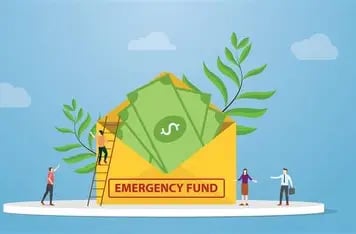
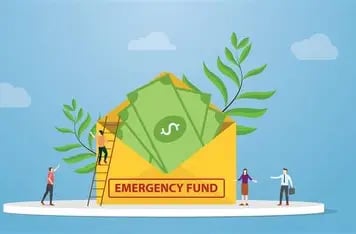
Emergency Fund Explained in Detail: How Much Money Should Indians Save for Financial Security in 2026
Financial emergencies never come with a warning. A sudden job loss, medical emergency, family responsibility, or unexpected repair can disturb your entire financial life. In India, where many households depend on a single income source, such situations can quickly push people into debt.
This is why an emergency fund is considered the most important pillar of personal finance. Before investing in stocks, mutual funds, or real estate, building an emergency fund should always be the first priority.
This article explains everything you need to know about emergency funds in a simple and practical way.
1. What Is an Emergency Fund?
An emergency fund is a separate pool of money kept aside exclusively for unexpected financial situations. This money is not meant for vacations, shopping, gadgets, or lifestyle upgrades.
Examples of real emergencies:
Job loss or salary delay
Medical emergencies
Urgent home or vehicle repairs
Sudden family responsibilities
An emergency fund acts as a financial safety net that protects you when life becomes unpredictable.
2. Why Emergency Fund Is Extremely Important in India
In India, many people still rely heavily on loans or credit cards during emergencies. This creates long-term financial stress.
Key reasons emergency funds are essential:
Medical costs are rising rapidly
Job security is not guaranteed
Inflation reduces purchasing power
Loans come with high interest rates
Without an emergency fund, even a small problem can turn into a long-term financial burden.
3. How Much Emergency Fund Should You Save?
There is no one-size-fits-all number, but general guidelines help.
Minimum Emergency Fund
You should save at least 3 months of your total monthly expenses.
Ideal Emergency Fund
Financial experts recommend 6 months of expenses for better safety.
Example Calculation
If your monthly expenses are ₹25,000:
3 months fund = ₹75,000
6 months fund = ₹1,50,000
If you are self-employed or working in an unstable industry, aiming for 9–12 months of expenses is even better.
4. Income vs Expenses: What Should Be Considered?
Always calculate your emergency fund based on expenses, not income.
Include:
Rent or home EMI
Utility bills
Groceries
Transport
Insurance premiums
School or family responsibilities
Exclude:
Entertainment
Travel
Luxury spending
The goal is survival and stability, not lifestyle maintenance.
5. Where Should You Keep Your Emergency Fund?
Liquidity and safety matter more than returns.
Best Places to Keep Emergency Fund
1. Savings Account
Easy access
Zero risk
Ideal for immediate emergencies
2. Liquid Mutual Funds
Slightly better returns than savings account
Can be redeemed within 24 hours
Low risk
Where NOT to Keep Emergency Fund
Stocks or equity mutual funds
Fixed deposits with lock-in
Cryptocurrency
Real estate
Emergency money must be accessible instantly.
6. How to Build an Emergency Fund from Scratch
Many people delay emergency savings thinking they don’t earn enough. That’s a mistake.
Step-by-Step Approach
Start with a small target (₹10,000–₹20,000)
Save a fixed amount every month
Treat emergency saving as a mandatory expense
Increase contribution when income increases
Even ₹500–₹1,000 per month makes a difference over time.
7. Emergency Fund vs Insurance: Are They the Same?
No. They serve different purposes.
Emergency Fund
Covers short-term financial shocks
Gives instant liquidity
Used for any type of emergency
Insurance
Covers specific risks (health, life, vehicle)
Claim process takes time
Does not cover all expenses
Both are important and should work together.
8. Common Mistakes People Make with Emergency Funds
1. Investing Emergency Money for Higher Returns
Emergency funds are not investments.
2. Using Emergency Fund for Lifestyle Spending
This defeats the entire purpose.
3. Not Rebuilding After Use
If you use emergency money, rebuild it immediately.
4. Keeping Emergency Fund in One Place
Split between savings account and liquid fund for better access.
9. Emergency Fund for Different Life Situations
For Salaried Employees
3–6 months of expenses is sufficient
For Freelancers and Business Owners
6–12 months of expenses recommended
For Married Individuals
Consider family expenses
Medical and education costs
For Retired Individuals
Larger emergency fund needed due to healthcare expenses
10. Emergency Fund and Mental Peace
One of the biggest benefits of an emergency fund is peace of mind.
When you know that:
Bills will be paid
Family is financially protected
No immediate loan is required
You make better life and investment decisions.
11. Should Emergency Fund Be Separate from Savings?
Yes. Mixing emergency money with regular savings increases the risk of misuse.
Best practice:
Separate savings account
Clear label: “Emergency Only”
This psychological separation helps maintain discipline.
12. Emergency Fund Before Investing: Why Order Matters
Many beginners rush into investing without financial safety.
Correct order:
Emergency fund
Insurance
Long-term investments
Skipping step one increases financial risk.
13. How Inflation Affects Emergency Funds
Emergency funds are not meant to beat inflation. Their purpose is safety and liquidity.
However, periodically reviewing and increasing your emergency fund is important to keep up with rising expenses.
14. How Often Should You Review Your Emergency Fund?
Review your emergency fund:
Once a year
After salary changes
After major life events
Adjust amount based on current expenses.
15. Final Thoughts
An emergency fund is not optional—it is essential. It protects you from debt, stress, and financial instability. In 2026, financial uncertainty makes emergency savings more important than ever.
No matter how small your income is, start building your emergency fund today. Financial security begins with preparation.
⚠️ FINANCIAL DISCLAIMER
The information provided on MsMoney is for educational and informational purposes only. It should not be considered financial, investment, or legal advice. Readers are advised to consult a certified financial advisor before making any financial decisions. MsMoney does not guarantee any returns and is not responsible for financial losses.